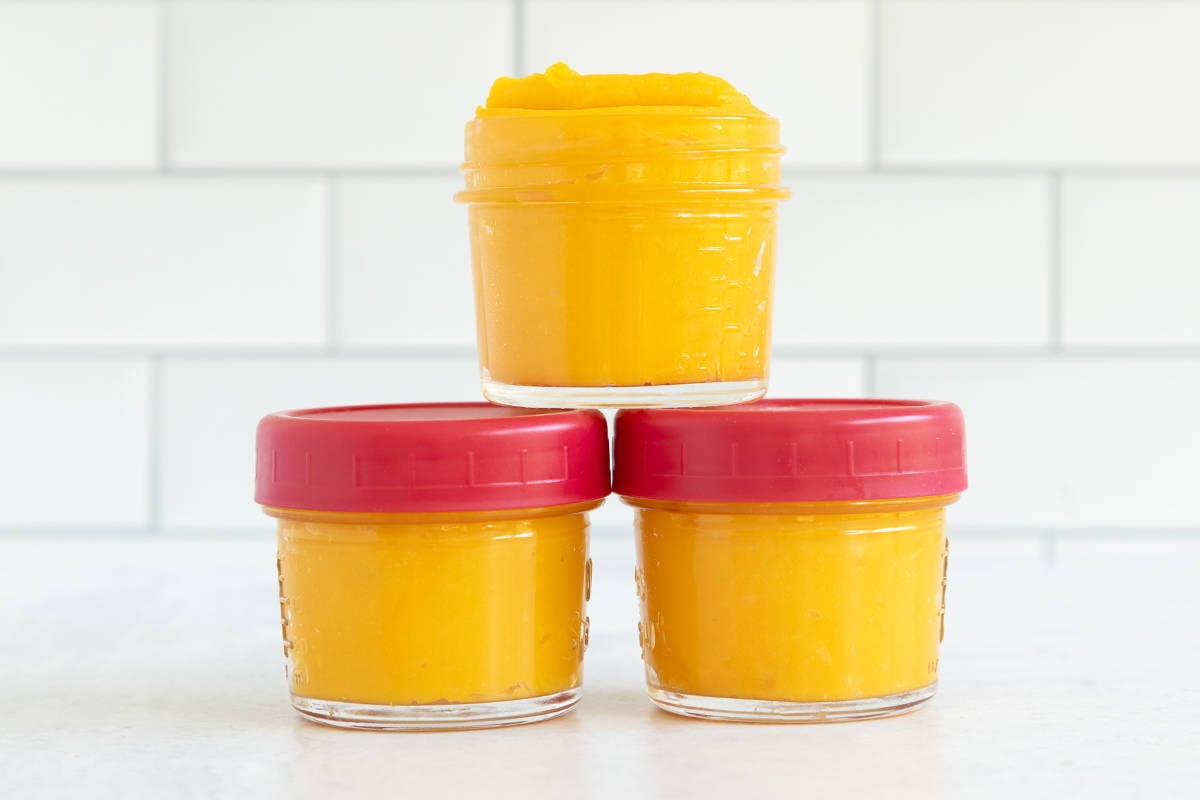
Homemade Butternut Squash Puree: A Lifesaver for Busy Parents
In the whirlwind of parenting, finding nutritious, affordable, and easy-to-prepare meals for your little one can feel like a Herculean task. Between diaper changes, playdates, and endless to-do lists, the idea of creating homemade baby food might seem daunting. But what if we told you there’s a secret weapon in your culinary arsenal, a naturally sweet, vitamin-packed superstar that’s incredibly simple to make and a genuine lifesaver for your budget and schedule? Enter homemade butternut squash puree – the ultimate
butternut squash baby food recipe designed to nourish your baby and ease your parental load.
This vibrant orange vegetable isn't just a treat for the taste buds; it's a nutritional powerhouse, making it an ideal first food and a fantastic addition to your baby's growing diet. Forget the expensive, often additive-filled store-bought jars. With just a few simple ingredients and a little hands-off time, you can create a wholesome, delicious puree that your baby will adore, providing peace of mind for you.
Why Butternut Squash is a Baby Superfood (and Parent's Best Friend)
Butternut squash isn't just another vegetable; it's a nutritional champion perfectly suited for your baby's delicate system and rapid development. Its naturally sweet flavor profile makes it an instant hit with little ones, often reducing mealtime battles and encouraging healthy eating habits from an early age. Beyond its palatability, the health benefits are truly remarkable:
- Rich in Vitamin A: Essential for healthy vision development, immune function, and cell growth. Butternut squash is loaded with beta-carotene, which converts to Vitamin A in the body.
- Packed with Vitamins B & C: Vitamin B vitamins support energy metabolism and brain development, while Vitamin C is crucial for a strong immune system and healthy skin.
- Potassium & Magnesium: These vital minerals contribute to healthy bone development, muscle function, and nerve health, supporting your baby's rapid growth.
- High in Fiber: Fiber aids in healthy digestion, preventing constipation – a common concern for babies starting solids – and promoting a happy tummy.
- Gentle on Developing Stomachs: Its smooth texture and natural sweetness make it easy for babies to digest, minimizing fussiness and discomfort.
Choosing butternut squash for your baby's first foods is a smart move, setting a foundation for a lifetime of healthy eating. Its inherent mildness makes it a perfect base to introduce other flavors as your baby grows, offering incredible flexibility as their palate expands.
The Ultimate Butternut Squash Baby Food Recipe: Simple, Savory & Stress-Free
Creating your own
butternut squash baby food recipe is surprisingly straightforward, and the oven does most of the heavy lifting. This method not only saves you time but also enhances the natural sweetness and depth of flavor in the squash, making it irresistible for your little one.
Roasting Method: The "Set-It-and-Forget-It" Approach
Roasting butternut squash is our absolute favorite method for preparing it for baby food. It brings out the squash's natural sugars, resulting in a richer, more caramelized flavor that babies absolutely adore. It's a truly hands-off process, allowing you to multitask around the house while your meal prep progresses.
- Choose Your Squash: Select 1-2 medium butternut squash. Look for ones that are firm, heavy for their size, and free of soft spots or blemishes.
- Prepare for Roasting: Preheat your oven to 400°F (200°C). Carefully wash the outside of the squash. Using a sharp knife, cut each butternut squash in half lengthwise. You don't need to peel it at this stage – the skin comes off easily after roasting. Scoop out the seeds and stringy bits with a spoon.
- Bake It Up: Place the squash halves cut-side down on a baking sheet lined with parchment paper. This prevents sticking and makes cleanup a breeze.
- Roast to Perfection: Bake for approximately 45-60 minutes, or until the flesh is very tender when pierced with a fork. The cooking time will vary depending on the size of your squash. You'll notice the edges might caramelize slightly, which is exactly what you want for maximum flavor.
- Cool & Scoop: Once done, remove the squash from the oven and let it cool until it's comfortable to handle. The skin should peel away easily or you can simply scoop out the soft, cooked flesh with a spoon.
Quick & Easy Steaming/Boiling (Alternative Method)
While roasting yields a superior flavor, steaming or boiling offers a quicker alternative if you're truly pressed for time.
- Peel & Dice: Carefully peel the butternut squash using a vegetable peeler. Cut it into 1-inch cubes.
- Steam or Boil: Place the cubes in a steamer basket over boiling water, or directly into a pot of boiling water.
- Cook Until Tender: Steam or boil for 10-15 minutes, or until the squash is very tender.
- Drain: If boiling, drain thoroughly. Reserve some of the cooking liquid if you want to use it for blending.
Blending & Pureeing to Perfection
Once your butternut squash is cooked and cooled, the final step is incredibly simple:
1.
Transfer to Blender: Place the cooked butternut squash flesh into a high-speed blender or food processor.
2.
Add Liquid: Start with a small splash of water (or breastmilk/formula) – about 1/4 cup per medium squash. Blend until smooth and creamy. If the puree is too thick, add more liquid, one tablespoon at a time, until you reach your desired consistency. For younger babies (Stage 1), a very smooth, thin puree is best. For older babies (Stage 2/3), you can leave it a little thicker or even slightly lumpy.
3.
Taste Test: Always taste your baby's food! It should be naturally sweet and delicious.
Beyond the Basics: Making Your Butternut Squash Puree a Nutritional Powerhouse
One of the greatest advantages of making your own
butternut squash baby food recipe is its incredible versatility. As your baby grows and develops, you can easily adapt the puree to introduce new flavors, textures, and nutrients. This flexibility allows you to explore different combinations, identify potential sensitivities, and ensure a wide array of vitamins and minerals.
Stage 1: Pure & Simple
For babies just starting solids (around 4-6 months, or as advised by your pediatrician), a single-ingredient butternut squash puree is perfect. It's gentle, easy to digest, and introduces a foundational sweet flavor.
Stage 2 & 3: Flavorful Combinations
Once your baby is comfortable with butternut squash, you can begin to mix and match with other fruits and vegetables, creating exciting and nutritious blends. This is where the magic truly happens!
- Fruity Duos: Combine butternut squash with pureed apples, pears, peaches, or bananas for an extra touch of sweetness and new flavor profiles.
- Veggie Power-Ups: Blend with other mild vegetables like sweet potato, carrots, green beans, or peas. This not only adds variety but also boosts the nutrient content. Consider adding a couple of stalks of pureed celery for a sneaky veggie boost and added vitamins!
- Hearty Blends: For older babies (Stage 3), you can introduce healthy fats like a tiny swirl of olive oil or coconut oil, or even mix in cooked, pureed meats like chicken or turkey for added protein. Berries, with their powerful antioxidants, also make excellent additions.
Remember to introduce new foods one at a time, waiting a few days between introductions to monitor for any allergic reactions. For more detailed guidance on how to adapt your butternut squash puree for different developmental stages and to ensure your baby gets all the nutrients they need, check out our comprehensive guide:
Butternut Squash Baby Food: Stage 1, 2 & 3 Nutrients Your Baby Needs.
Smart Savings & Super Storage: Maximizing Your Homemade Batch
Making your own
butternut squash baby food recipe is not just about nutrition; it's also a smart financial move that genuinely helps busy parents.
The Wallet-Friendly Choice
Consider the cost of store-bought baby food jars or pouches. They quickly add up! Buying a whole butternut squash is significantly more economical, allowing you to produce a much larger volume of food for a fraction of the price. You're paying for ingredients, not fancy packaging or preservatives. This practical approach is a true lifesaver for your budget, preventing store visits every week for expensive baby food cans.
Say Goodbye to "Junky Ingredients"
One of the biggest benefits of homemade baby food is knowing exactly what goes into your baby's meals. Store-bought options often contain added sugars, salt, artificial flavors, and preservatives to maintain shelf stability. When you make it yourself, you control every ingredient – ensuring your baby receives pure, unadulterated goodness, free from anything questionable.
Batch Cooking for Busy Weeks
Preparing a big batch of butternut squash puree is the ultimate time-saver. By roasting 2 medium butternut squash, you can easily yield enough puree to last your baby for a week or more. This means less cooking time throughout the week and more precious moments with your little one.
Freezing for Future Feeds
Homemade butternut squash puree freezes beautifully. This is crucial for busy parents!
- Ice Cube Trays: Pour the cooled puree into clean ice cube trays. Freeze until solid (4-6 hours).
- Transfer & Store: Once frozen, pop the cubes out and transfer them into freezer-safe bags or containers. Label them with the date and contents.
- Shelf Life: Frozen butternut squash puree can last for up to 3 months in the freezer.
- Portion Control: Each cube is a perfect single serving, making it incredibly convenient to thaw just what you need.
Reheating with Ease
When your baby is hungry, simply grab a few frozen cubes and:
- Thaw Overnight: Transfer desired cubes to a container in the fridge the night before.
- Microwave: Place in a microwave-safe dish and heat in short bursts, stirring well to ensure even temperature. Always test the temperature before serving!
- Stovetop: Gently heat in a small saucepan over low heat, adding a splash of water if needed.
This make-ahead strategy ensures you always have a healthy, homemade option on hand, saving you from last-minute dashes to the store. For even more tips on efficient batch cooking, smart storage solutions, and maximizing the affordability of homemade baby food, don't miss our guide:
Easy Butternut Squash Baby Food: Homemade, Nutritious & Affordable.
Embrace the Homemade Advantage
Crafting your own
butternut squash baby food recipe is truly a win-win for busy parents and their growing babies. You're not just providing a meal; you're offering a foundation of natural nutrition, bursting with flavor and free from unwanted additives. The ease of preparation, combined with significant cost savings and the convenience of batch cooking, makes homemade butternut squash puree an indispensable tool in your parenting toolkit. So, embrace this simple, satisfying journey and enjoy the peace of mind that comes with knowing you're giving your little one the very best, made with love right in your own kitchen.