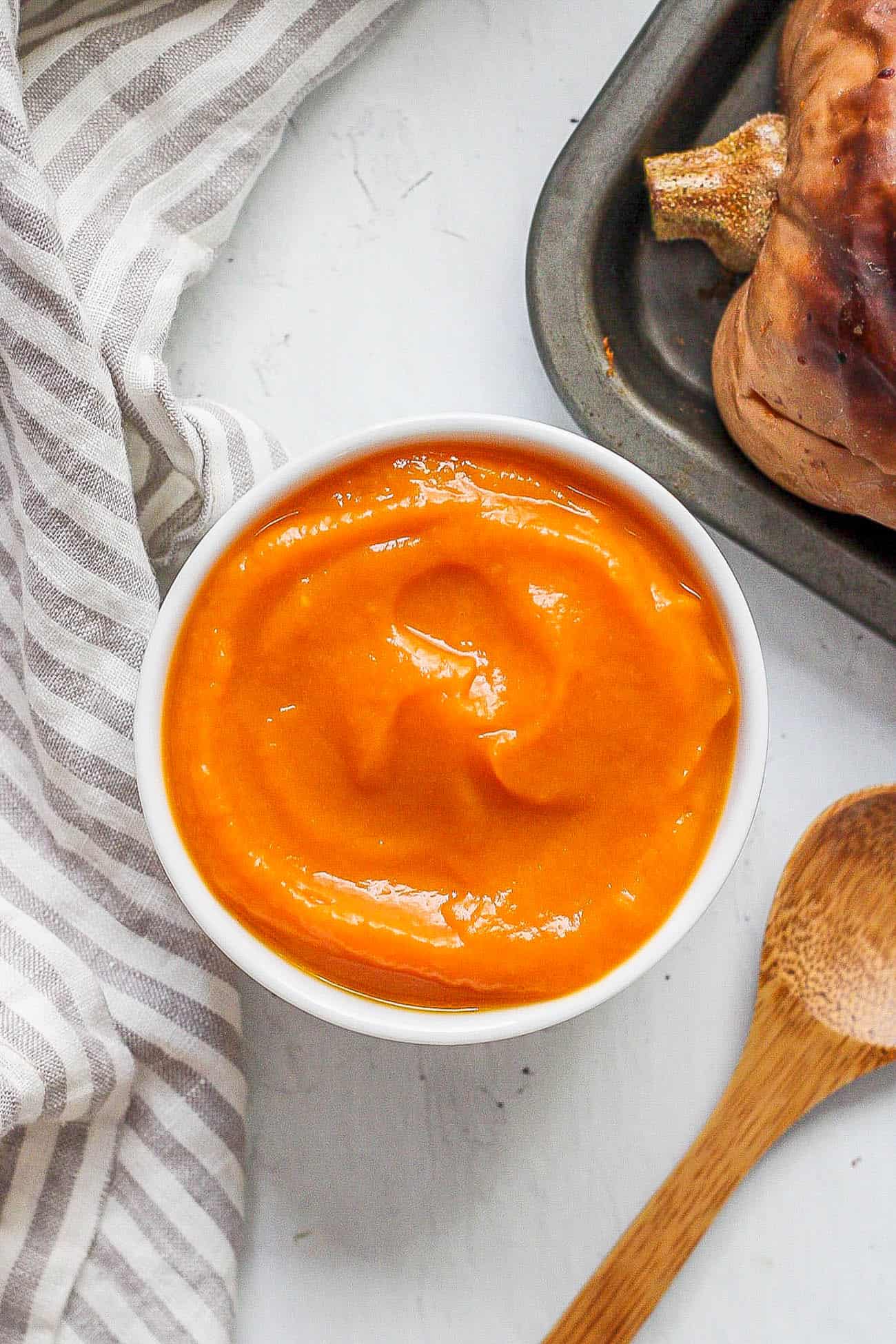
Unlock the Goodness: Homemade Butternut Squash Baby Food is a Game-Changer
Embarking on the journey of introducing solid foods to your little one is an exciting milestone. Among the myriad of options, one vibrant orange vegetable stands out as a true superstar: butternut squash. Not only is it incredibly versatile and delicious, but learning how to make homemade butternut squash baby food recipe is remarkably simple, packed with nutrients, and incredibly kind to your wallet. Forget the endless trips to the store for expensive jars; this guide will show you how to create a naturally sweet puree that your baby will adore, all from the comfort of your kitchen.
Many parents, myself included, have found that homemade purees like this save countless hours and dollars while ensuring our babies get the freshest, most wholesome meals. It’s a lifesaver, especially when you need a quick, healthy meal for your hungry infant. Let's dive into why this humble squash is such a powerhouse for growing babies and how effortlessly you can prepare it.
Why Butternut Squash is a Nutritional Powerhouse for Babies
Butternut squash isn't just tasty; it's a nutritional goldmine perfectly suited for an infant's developing body. Its naturally sweet flavor makes it an instant hit with babies, often becoming one of their absolute favorite first foods. But the benefits extend far beyond taste:
- Rich in Vitamins A, B, and C: Vitamin A is crucial for healthy vision and immune function, while B vitamins support energy metabolism and brain development. Vitamin C is an essential antioxidant that boosts immunity and helps with iron absorption.
- Potassium and Magnesium: These vital minerals contribute to healthy nerve and muscle function, as well as maintaining proper fluid balance.
- Fiber: The soluble and insoluble fiber in butternut squash aids in healthy digestion, helping to prevent constipation, a common concern when starting solids.
- Natural Sweetness: This eliminates the need for any added sugars, ensuring your baby experiences pure, unadulterated flavors.
- Easy to Digest: Its smooth texture when pureed and naturally mild taste make it gentle on sensitive baby tummies.
This roasted butternut squash puree is truly perfect for growing babies, offering a foundation of natural nutrition without any added salt, spices, or artificial ingredients. For a deeper dive into how this powerhouse vegetable supports your baby through different developmental stages, check out our article on Butternut Squash Baby Food: Stage 1, 2 & 3 Nutrients Your Baby Needs.
Your Easy Butternut Squash Baby Food Recipe: Step-by-Step Guide
Making your own butternut squash baby food is much simpler than you might think. The oven does most of the hard work, allowing you to multitask around the house while a delicious meal for your baby cooks itself. Here’s how to create this staple puree:
Ingredients:
- 1-2 medium butternut squash (choose firm squash with smooth, unblemished skin)
- A splash of water, breast milk, or formula (for blending)
Equipment:
- Sharp knife
- Cutting board
- Baking sheet
- Parchment paper (optional, but makes cleanup easier)
- Spoon or scoop
- Blender, food processor, or immersion blender
- Storage containers (ice cube trays, freezer-safe bags, or small jars)
Instructions:
- Preheat Oven: Preheat your oven to 400°F (200°C).
- Prepare Squash: Carefully cut each butternut squash in half lengthwise. You might need a sturdy knife and some muscle for this step. If it's too difficult, you can microwave the whole squash for 2-3 minutes to soften it slightly before cutting. Scoop out and discard the seeds and stringy bits. You do not need to peel the squash before baking.
- Roast: Place the squash halves cut-side down on a baking sheet lined with parchment paper. Roasting enhances the natural sweetness and creates a lovely caramelized flavor.
- Bake: Bake for approximately 45-60 minutes, or until the flesh is fork-tender. The exact time will depend on the size of your squash.
- Cool & Scoop: Once baked, carefully remove the squash from the oven and let it cool slightly until it's safe to handle. Using a spoon, scoop out the soft, cooked flesh into your blender or food processor. Discard the skin.
- Blend: Add a splash of water, breast milk, or formula to the squash flesh. Start with a small amount (e.g., 2-4 tablespoons per squash) and blend until you achieve a smooth, creamy consistency. Add more liquid gradually if needed to reach your desired texture. For very young babies (Stage 1), aim for a thinner, lump-free puree.
- Serve or Store: Your fresh, homemade butternut squash baby food is ready! Serve a small amount to your baby immediately, and allow the rest to cool completely before storing.
Beyond the Basics: Customizing and Storing Your Homemade Puree
One of the greatest advantages of making your own baby food is the flexibility it offers. This basic butternut squash baby food recipe is just the beginning. You can easily adapt it as your baby grows and his palate expands.
Flavor Combinations for Stage 2 & 3 Babies:
Once your baby is comfortable with single-ingredient purees, you can start experimenting with delightful combinations. Butternut squash pairs beautifully with a variety of fruits and vegetables:
- Sweet & Fruity: Blend with cooked apples, pears, banana, or even a handful of berries for a naturally sweet treat.
- Veggie Boost: Combine with steamed carrots, sweet potato, green beans, or even a small amount of pureed spinach or celery (as suggested by some parents for extra nutrients).
- Warm Spices: For older babies (typically 8+ months and always check with your pediatrician), a tiny pinch of cinnamon or nutmeg can add a comforting flavor dimension.
- Protein Power: Mix with pureed chicken, turkey, or lentils for a more complete meal as your baby progresses.
Smart Storage Solutions:
Making a larger batch of puree to last a week or so is an excellent strategy for busy parents. This is where homemade really shines, saving you precious time when hunger strikes!
- Refrigeration: Freshly made puree can be stored in an airtight container in the refrigerator for up to 3-4 days.
- Freezing: For longer storage, freeze portions in ice cube trays. Once frozen solid (usually after 4-6 hours), pop the cubes out and transfer them to freezer-safe bags or containers. Label with the date. Frozen puree is good for up to 2-3 months.
- Reheating: When ready to use, simply thaw a cube or two in the refrigerator overnight, or gently warm in a small saucepan over low heat, or in a microwave (stirring well and checking temperature before serving).
Having this kind of healthy, pre-portioned food on hand is truly a lifesaver for busy parents. You can learn more about how batch cooking and freezing can simplify your routine in our article: Homemade Butternut Squash Puree: A Lifesaver for Busy Parents.
Homemade vs. Store-Bought: The Undeniable Advantages
While store-bought baby food offers convenience, the benefits of making your own, especially with a simple butternut squash baby food recipe, are compelling and long-lasting:
- Affordability: You'll quickly notice significant savings. The cost of a fresh butternut squash and a splash of water is a fraction of what you'd pay for equivalent amounts of pre-packaged baby food. This allows you to provide nutrient-dense meals without "wreaking havoc on your wallet."
- No Mystery Ingredients: With homemade, you control every single ingredient. There are no preservatives, artificial flavors, added sugars, or unnecessary fillers – just pure, natural goodness.
- Freshness and Nutrient Retention: Your homemade puree is prepared and consumed shortly after cooking, maximizing the nutrient content.
- Dietary Flexibility & Allergen Control: Homemade food allows you to easily identify and manage potential food sensitivities. You know exactly what your baby is eating, making it easier to introduce new foods one at a time. It also helps you use up fresh, baby-friendly fruits and veggies you already have in your fridge, reducing food waste.
Conclusion
Creating your own butternut squash baby food is a rewarding experience that benefits both you and your baby. It's a simple, cost-effective, and highly nutritious way to introduce solids, ensuring your little one gets a healthy start with delicious, wholesome food. This easy butternut squash baby food recipe is more than just a meal; it's an investment in your baby's health and a practical solution for busy parents. So, grab a squash, preheat your oven, and enjoy the satisfaction of knowing you're providing the very best for your growing baby!
