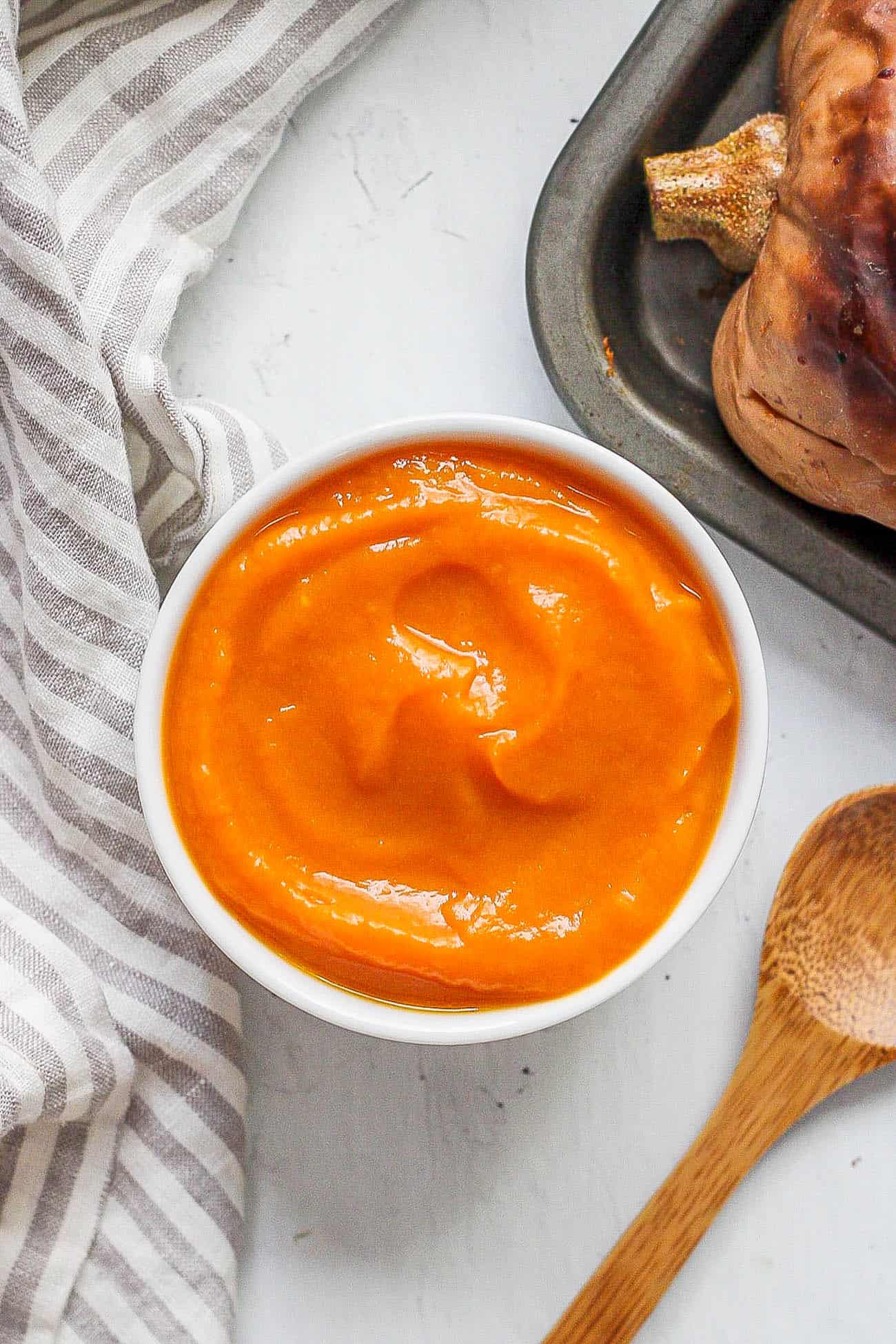
Butternut Squash Baby Food: A Nutritional Powerhouse for Growing Babies
Embarking on the journey of introducing solid foods to your little one is an exciting milestone, and choosing the right first foods is paramount. Among the array of healthy options, butternut squash stands out as an exceptional choice, offering a naturally sweet taste and a wealth of essential nutrients. This versatile gourd can be easily transformed into a delicious, wholesome puree that babies adore, making it a staple for homemade baby food from Stage 1 all the way through Stage 3. Beyond its appealing flavor, making your own
Easy Butternut Squash Baby Food: Homemade, Nutritious & Affordable offers significant benefits, including cost savings, complete control over ingredients, and the satisfaction of knowing exactly what your baby is eating.
Why Butternut Squash is a Superfood for Your Little One
Butternut squash isn't just tasty; it's a nutritional powerhouse perfectly suited for a baby's developing body. This vibrant orange vegetable is packed with vitamins, minerals, and fiber crucial for healthy growth and development.
* **Vitamin A (Beta-Carotene):** Abundant in butternut squash, beta-carotene is converted into Vitamin A in the body, which is vital for healthy vision, immune function, and skin development. Its rich orange color is a clear indicator of its high beta-carotene content.
* **Vitamins B & C:** These essential vitamins support energy production, cognitive development, and a strong immune system, helping your baby ward off common illnesses. Vitamin C also aids in iron absorption, a crucial nutrient for babies.
* **Potassium:** Important for maintaining proper fluid balance, nerve function, and muscle contractions, potassium plays a key role in your baby's overall well-being.
* **Magnesium:** This mineral is involved in over 300 biochemical reactions in the body, supporting bone health, muscle and nerve function, and maintaining normal heart rhythm.
* **Fiber:** The dietary fiber in butternut squash promotes healthy digestion, helps prevent constipation, and supports a balanced gut microbiome, which is foundational for long-term health.
Beyond its impressive nutrient profile, butternut squash has a naturally sweet and creamy texture when cooked, which babies tend to love, making the introduction of solids a more pleasant experience. Its mild flavor also makes it an excellent base for combining with other fruits and vegetables as your baby progresses through the stages of solid food.
Mastering the Butternut Squash Baby Food Recipe: Stage 1 Puree
Starting solids with a single-ingredient puree like butternut squash is ideal for Stage 1 babies (typically 4-6 months, or when ready). This allows you to introduce new flavors one at a time and easily monitor for any potential sensitivities. The beauty of this
Homemade Butternut Squash Puree: A Lifesaver for Busy Parents is its simplicity and natural deliciousness.
**The Basic Butternut Squash Baby Food Recipe (Stage 1):**
1.
Choose Your Squash: Select a medium-sized butternut squash that feels heavy for its size and has no soft spots. A single squash can yield several servings of puree.
2.
Prepare for Roasting: Preheat your oven to 400°F (200��C). Carefully wash the squash. Using a sturdy knife, cut the butternut squash in half lengthwise. Scoop out the seeds and stringy bits with a spoon. You can discard these or save the seeds for roasting for yourself!
3.
Roasting for Flavor: Place the squash halves cut-side down on a baking sheet lined with parchment paper. Roasting is often preferred over steaming or boiling for baby food as it brings out the natural sweetness and depth of flavor in the squash, making it even more appealing to babies. Bake for 45-60 minutes, or until the flesh is very tender when pierced with a fork.
4.
Cool and Scoop: Once roasted, remove the squash from the oven and let it cool slightly until it's comfortable to handle. With a spoon, scoop the soft, cooked flesh away from the skin.
5.
Blend to Perfection: Transfer the cooked butternut squash flesh to a high-speed blender or food processor. Add a splash of filtered water (or breast milk/formula) to help achieve a smooth, creamy consistency. Start with a tablespoon or two and add more as needed, blending until you reach a velvety puree perfect for Stage 1. Remember, no salt, sugar, or spices are needed for Stage 1.
This simple roasted butternut squash puree is rich in flavor and nutrients, and its smooth texture is perfect for babies just starting solids.
Expanding Flavors: Butternut Squash Baby Food for Stage 2 & 3
As your baby grows and develops, their palate will expand, and their need for more complex nutrient profiles will increase. Butternut squash remains a fantastic base as you move into Stage 2 (6-8 months) and Stage 3 (8+ months).
Stage 2: Introducing Combinations and Slightly Thicker Textures
Once your baby has successfully tried single-ingredient purees, you can begin introducing combinations. Butternut squash pairs wonderfully with a variety of fruits and vegetables, offering new flavor experiences and broader nutrient intake.
*
Fruity Blends: Mix butternut squash puree with other naturally sweet and soft fruits. Excellent choices include:
*
Butternut Squash & Apple: Cooked and pureed apples add a tart-sweet counterpoint.
*
Butternut Squash & Banana: Ripe banana adds creaminess and extra potassium.
*
Butternut Squash & Pear: A gentle, sweet combination.
*
Butternut Squash & Berries: (e.g., blueberries, raspberries) for an antioxidant boost. Ensure berries are thoroughly pureed and strained if necessary for tiny seeds.
*
Veggie Combos: Enhance the nutritional value by combining squash with other mild vegetables:
*
Butternut Squash & Sweet Potato: A classic pairing, rich in beta-carotene.
*
Butternut Squash & Carrot: Another sweet root vegetable combo.
*
Butternut Squash & Celery: A clever way to introduce green veggies, as suggested by some sources, offering additional fiber and vitamins. Ensure it's very thoroughly cooked and pureed to avoid stringiness.
*
Butternut Squash & Zucchini: A light, hydrating blend.
*
Adding Healthy Fats: For an extra boost of energy and to aid in nutrient absorption, consider swirling in a small amount of breast milk, formula, or a healthy fat like avocado oil (1/2 teaspoon per serving).
*
Texture Progression: For Stage 2, you can make the puree slightly thicker or leave a tiny bit of texture to encourage chewing skills.
Stage 3: Towards Chunky Textures and Family Meals
By Stage 3, babies are often ready for chunkier textures, more diverse flavors, and even modified versions of family meals. Butternut squash continues to be incredibly versatile here.
*
More Complex Combinations:
*
Butternut Squash & Grains: Stir cooked and pureed butternut squash into iron-fortified baby cereal, cooked quinoa, or small pasta shapes (cooked very soft and finely chopped).
*
Butternut Squash & Legumes: Mix with cooked and pureed lentils for a protein and fiber boost.
*
Butternut Squash & Protein: Combine with finely shredded cooked chicken, turkey, or fish (ensure no bones).
*
Introducing Gentle Spices: This is the stage where you can start to introduce very mild, baby-friendly spices to broaden their palate and prepare them for family meals. A tiny pinch of cinnamon, nutmeg, or a hint of mild dried herbs like thyme (as some recipes suggest) can add wonderful depth of flavor. Always introduce new spices one at a time and in very small quantities.
*
Transition to Finger Foods: Beyond purees, roasted butternut squash can be cut into soft, pea-sized cubes or strips for baby-led weaning (BLW) or as a complementary finger food for spoon-fed babies. Ensure they are cooked until very soft and easily mashable with gums.
*
Butternut Squash in Family Meals: You can use your homemade butternut squash puree as a base for baby's portion of family meals like a creamy butternut squash bisque (without added salt or strong spices), or simply mixed into finely chopped vegetables and meats. This is a great way to include your baby in family mealtimes and explore more complex flavor profiles.
Tips for Success: Making Homemade Baby Food a Breeze
Making your own butternut squash baby food is a practical and rewarding endeavor that can save you countless trips to the store and significant money. Here are some pro tips:
*
Batch Cooking is Key: Dedicate an hour or so once a week to roast two medium butternut squashes. This yields enough puree to last several days or even a week. The oven does most of the work, allowing you to multitask around the house.
*
Smart Storage: Store fresh puree in airtight containers in the refrigerator for up to 3-4 days. For longer storage, freeze portions in ice cube trays. Once frozen, transfer the cubes to freezer-safe bags. They can last up to 3 months.
*
Easy Reheating: Simply pop a frozen cube into a microwave-safe dish and heat until warm, stirring to ensure even temperature. Always test the temperature before feeding your baby.
*
Flexibility is Your Friend: Homemade baby food is incredibly flexible. You can use up any baby-friendly fruits and vegetables you have on hand, reducing food waste and ensuring a diverse nutrient intake for your little one.
*
Safety First: Always ensure all cooking equipment is clean. Cool purees quickly before storing, and reheat thoroughly. Never refreeze thawed baby food.
*
Observe Your Baby: Pay attention to your baby's cues regarding hunger, fullness, and preferences for flavors and textures. Every baby is unique!
Conclusion
Butternut squash is undeniably one of the best first foods you can introduce to your baby. Its naturally sweet taste, creamy texture, and incredible nutritional profile make it a beloved choice for parents and babies alike. From simple Stage 1 purees to more complex Stage 2 and 3 combinations, the butternut squash baby food recipe is a versatile, affordable, and incredibly healthy option. By making your own at home, you're not just providing delicious meals; you're nurturing your baby's health with pure, wholesome goodness, setting the foundation for a lifetime of healthy eating habits. Enjoy the rewarding experience of creating nourishing meals for your growing little one!